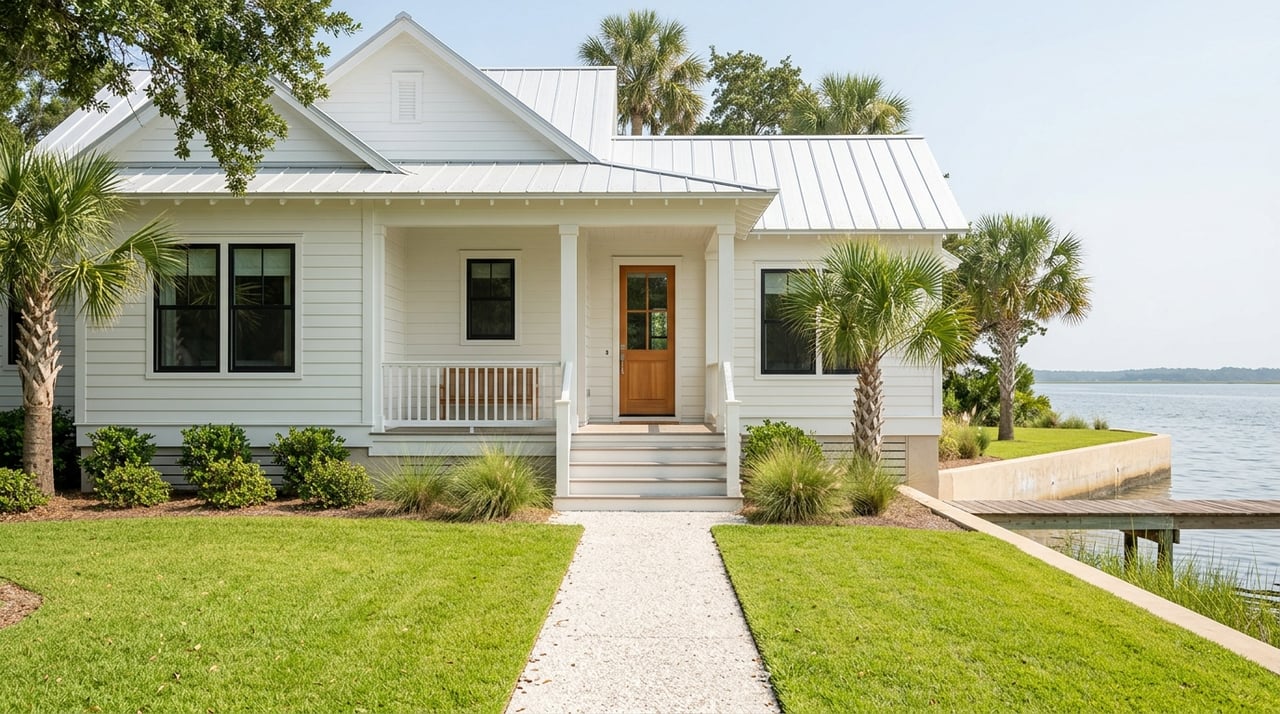
If you picture waterfront living in Pensacola as one single look or lifestyle, you may be surprised by how much variety the area offers. You might be drawn to a walkable downtown bayfront condo, a historic home near the water, or a beach-side property with a different daily rhythm altogether. Understanding how these settings live day to day can help you narrow your search and make a more confident decision. Let’s dive in.
What waterfront living means in Pensacola
Pensacola has more than 50 miles of coastline, so “waterfront” does not describe just one type of place. In this market, waterfront living can mean downtown bayfront access, beach settings, or sound-side locations with a coastal feel.
That matters because your daily routine may look very different depending on where you buy. Some areas center on walkability and marina access, while others lean more toward recreation, dining, and a barrier-island pace.
Daily life on the downtown bayfront
Downtown Pensacola offers a waterfront setting that blends urban convenience with coastal scenery. The city describes downtown as a place where parks, museums, restaurants, and event spaces sit beside the water, which gives the area an active, connected feel.
If you want to be able to step outside and walk to dining, shops, and entertainment, this part of the market stands out. Palafox Pier Yacht Harbor Marina sits in the heart of the downtown waterfront and includes practical amenities like fuel, showers, laundry, and ADA ramps.
The nearby Pensacola Bay Pier also supports boating access with floating docks and 48 boat slips. Still, it is important to know that city pier access is geared toward transient daytime use, not regular overnight dockage.
For many buyers, downtown bayfront living works best when the goal is convenience. You get easier access to restaurants, events, marina services, and everyday activity, often with less dependence on a car for short outings.
Daily life near Pensacola Beach
Pensacola Beach has a different rhythm. The area is shaped by boardwalk activity, open-air dining, fishing, waterfront recreation, and the day-to-day energy that comes with a barrier-island setting.
The Pensacola Beach Boardwalk is a major hub for shopping, dining, and entertainment. Along Pensacola Beach and the Portofino Boardwalk on Santa Rosa Sound, you will also find piers, shallow-water recreation, and open-air bars and restaurants.
This setting can appeal to buyers who want their waterfront lifestyle to feel more relaxed and recreation-focused. Your routine may center less on downtown errands and more on dining by the water, spending time outdoors, and enjoying the coastal environment close to home.
Waterfront dining and recreation across the area
One reason waterfront living attracts so much interest in Pensacola is the range of experiences spread across the coast. Waterfront dining is available in downtown bayfront areas, Pensacola Beach, and Perdido Key, so you are not limited to one pocket of activity.
That broad coastal layout gives buyers options. You can look for a home that matches the kind of access you value most, whether that is marina convenience, beach recreation, or a quieter residential setting near the water.
Home styles you may find
Pensacola waterfront homes are not all condos, and they are not all large beach houses either. Official city information points to a wide mix of housing types, especially near the waterfront and in older parts of the city.
Downtown Pensacola includes modern condominiums as well as historical houses near the water. Across the city, detached single-family homes still make up the majority of the housing stock, with city reports showing they represent 71% of all housing units.
For most buyers, waterfront options around Pensacola fall into three broad groups: condos, historic homes, and detached single-family homes. Each one comes with a different balance of maintenance, privacy, space, and monthly cost.
Condos near downtown or the beach
Condos are often the first property type buyers think of when they imagine waterfront living. In Pensacola, they can be a practical fit if you want a lower-maintenance lifestyle and strong access to waterfront amenities.
A condo may make sense if you care more about location and convenience than yard space. You may be able to enjoy walkable surroundings or beach access while taking on less exterior upkeep than you would with a detached house.
That said, condo ownership usually means looking closely at association dues and shared-building costs. Those monthly expenses can change the true cost of ownership in a major way.
Historic cottages and older houses
Pensacola’s historic districts introduce another kind of waterfront character. The city identifies a long list of older architectural styles in its historic areas, including French Creole cottages, Victorian, Greek Revival, Queen Anne, Classical Revival, Tudor Revival, Spanish Colonial Revival, Modern, Bungalow, and frame vernacular homes.
For some buyers, that architectural variety is the draw. A historic or older home near the waterfront can offer character that newer construction may not match.
It is also important to go in with realistic expectations. Older homes may bring more upkeep, and the city notes that its Architectural Review Board evaluates development in historic, preservation, and aesthetic review districts.
Detached single-family homes
Detached single-family homes remain the dominant housing type in Pensacola overall. In waterfront areas, they may offer more privacy, larger lots, or a different ownership experience than a condo or attached property.
This option can appeal if you want more room to spread out or prefer not to share walls and common spaces. Depending on the exact location, the trade-off may be more exterior maintenance and a more hands-on ownership routine.
How location shapes the housing feel
In Pensacola, micro-location matters. A bayfront property near downtown will not feel the same as a home near a boardwalk area or a property in an older district close to the water.
Downtown bayfront homes often connect more closely to restaurants, marinas, and city activity. Historic-area homes may offer distinctive architecture and a more traditional neighborhood feel. Beach and boardwalk areas typically lean harder into recreation, visitor activity, and open-air coastal living.
That is why a waterfront search should start with lifestyle, not just square footage. The right fit often comes from matching your daily habits to the setting.
Budgeting for waterfront ownership
List price is only part of the story when you buy near the water. Your total monthly payment may include property taxes, homeowners insurance, flood insurance, mortgage insurance, and in some cases homeowners association fees.
HOA dues deserve special attention if you are comparing condos or planned properties. Those costs are typically paid separately, and they can range from a few hundred dollars per month to more than $1,000.
When you compare homes, look at the full monthly picture rather than focusing only on the asking price. That approach gives you a more accurate view of affordability and helps prevent surprises later.
Flood maps and insurance matter
Flood risk is a normal part of waterfront ownership in a coastal market like Pensacola. The city updated its Flood Insurance Rate Map on August 19, 2025, and some properties may now fall inside a Special Flood Hazard Area.
If a home is in a FEMA-designated Special Flood Hazard Area, flood insurance is often required. Pensacola also participates in FEMA’s Community Rating System and holds a Class 7 rating, which provides a 15% discount on new or renewing flood insurance policies for qualifying SFHA properties.
This is one of the clearest reasons to verify flood-zone status early in your search. A property’s map designation can affect both your monthly costs and your financing requirements.
Storm season is part of ownership
Hurricane season runs from June 1 through November 30, and storms can happen outside that window as well. In Pensacola, that makes storm planning part of everyday ownership rather than an occasional concern.
When you compare properties, pay attention to elevation, drainage, and how the home supports storm preparation. These details may not be as exciting as views or finishes, but they are part of owning wisely on the coast.
Boating access versus dock ownership
Many buyers want to live near the water because they expect easier boating access. That can be true, but public marina access is not the same thing as owning a private dock or having guaranteed long-term slip availability.
Pensacola Bay Pier rules state that the docks are for transient vessels during daytime hours only, with no overnight or after-hours dockage for regular users. If keeping a boat nearby is part of your plan, it is worth confirming the exact slip and storage logistics before you buy.
Who waterfront living fits best
Waterfront living in Pensacola often fits buyers who value boating access, walkable dining, coastal recreation, or a lower-maintenance condo or townhome lifestyle. It can also be a strong match for buyers who appreciate historic character and understand the upkeep that may come with older homes.
The key is knowing your trade-offs. In this market, the decision is rarely just waterfront versus inland. It is usually a balance of location, insurance exposure, dues, maintenance needs, privacy, and the amount of space you want.
A careful, evidence-based comparison can help you sort through those choices with more confidence. That is especially important in a market where two waterfront homes can offer very different ownership experiences.
Whether you are comparing a downtown condo, a historic house, or a detached waterfront home, the best choice usually comes down to how you want to live day to day and what costs you want to carry long term. If you want experienced local guidance backed by valuation insight, G. Jeffrey White can help you evaluate Pensacola waterfront options with clarity.
FAQs
What does waterfront living in Pensacola include?
- Waterfront living in Pensacola can include downtown bayfront, beach, and sound-side settings, each with a different daily lifestyle and housing feel.
Are waterfront homes in Pensacola mostly condos?
- No. Downtown Pensacola includes modern condominiums and historical houses near the water, and city housing data shows detached single-family homes make up 71% of all housing units citywide.
Is daily life on Pensacola Beach different from downtown bayfront living?
- Yes. Pensacola Beach tends to center more on boardwalk dining, recreation, and visitor activity, while downtown bayfront living is more connected to marina access, restaurants, parks, and the urban core.
Do Pensacola waterfront buyers need to check flood zones?
- Yes. Pensacola updated its Flood Insurance Rate Map on August 19, 2025, and some properties may now fall within a Special Flood Hazard Area.
Can you keep a boat at Pensacola Bay Pier full time?
- No. The city states that Pensacola Bay Pier docks are for transient daytime vessel use only and do not allow overnight or after-hours dockage for regular users.
What costs should buyers compare for Pensacola waterfront homes?
- Buyers should compare the full monthly cost, including property taxes, homeowners insurance, flood insurance, mortgage insurance, and any HOA dues, not just the list price.