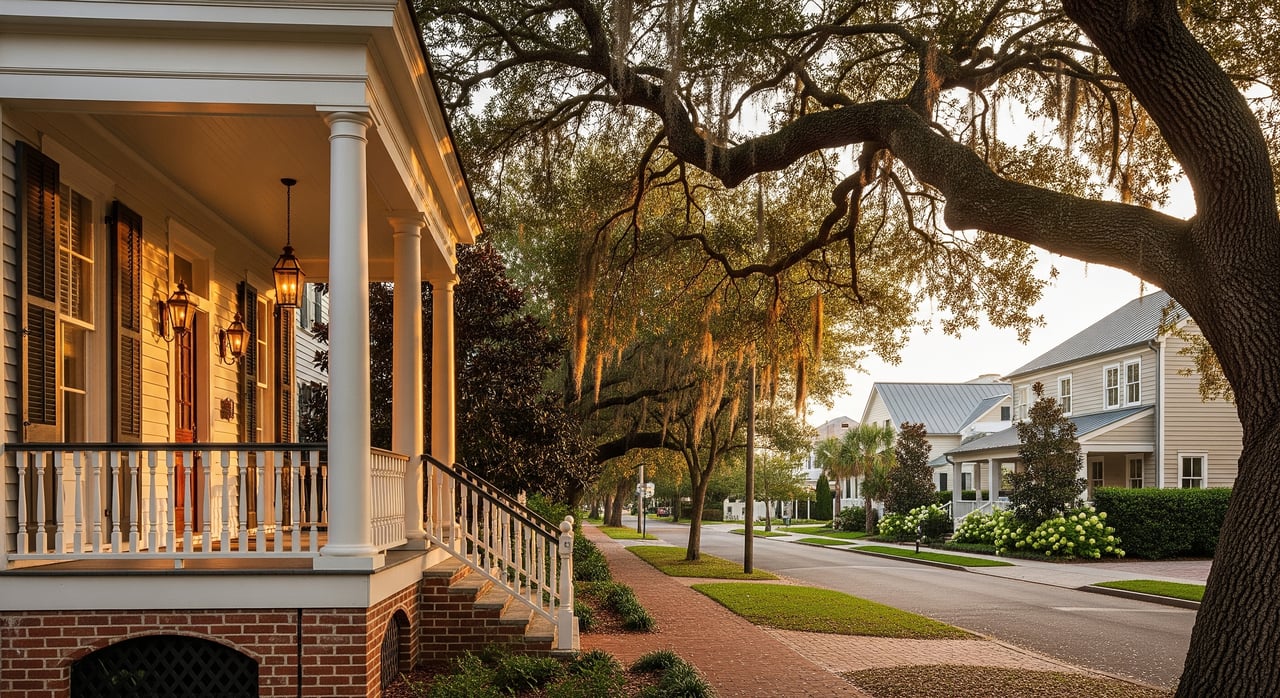
Craving brick streets and cafe patios, or picturing a big backyard and a two-car garage? If you are deciding between Pensacola’s historic, in-town neighborhoods and the suburbs of Escambia County, you are not alone. Each setting offers a distinct rhythm, cost profile, and daily routine. This guide walks you through how life really compares so you can choose with confidence. Let’s dive in.
What counts as “historic” vs “suburban”
Historic, in-town Pensacola usually refers to areas near the downtown grid, including Downtown/Seville, North Hill, East Hill, and Belmont-DeVilliers. You will see older architecture, tree-lined blocks, and mixed residential and small commercial uses. Many homes sit within designated historic districts close to Palafox Street and the waterfront.
Suburban Pensacola typically describes areas like Ferry Pass, Brent/Cordova Park, West Pensacola, Bellview, Brownsville, Ensley, and outer subdivisions across Escambia County. Expect lower-density streets, cul-de-sacs, and shopping centers along main corridors. Homes are often newer, with larger lots and garages.
Housing and price feel
What you see in historic areas
Older homes dominate, from Victorian and Queen Anne styles to Craftsman bungalows and cottages. Many have been renovated, while others need updates to plumbing, electrical, HVAC, or siding. Architectural details like front porches and trim are common, and lots tend to be smaller.
What you see in suburban areas
You will find mid-century ranches, split-levels, and tract homes from the 1990s–2000s, plus newer subdivisions. Floor plans often include larger kitchens and primary suites, two-car garages, and fenced yards. Some communities offer amenities like pools or playgrounds.
Space, price, and inventory patterns
In-town addresses can command a higher price per square foot because of walkability and location. Suburban homes often offer more interior space and larger yards for a comparable or lower total price. Inventory can be tight in historic districts since fewer homes change hands, while suburban areas tend to have steadier turnover and occasional new construction.
Renovation, preservation, and rules
If a property sits in a designated historic district, exterior changes like roofing, windows, siding, additions, and demolitions may require review. That process protects neighborhood character but adds steps to your project timeline. In the suburbs, you will likely navigate fewer preservation rules, though HOA covenants can regulate exterior paint, fencing, landscaping, and vehicle parking. Budget for maintenance thoughtfully in older homes; some may qualify for historic rehab incentives.
Daily life and getting around
Walkability and errands
Downtown and nearby historic blocks are more walkable for daily errands, dining, entertainment, parks, and waterfront activities. If being able to stroll to restaurants or festivals on weekends matters, in-town living delivers. Suburban life usually means short drives to supermarkets, big-box stores, and services.
Transit, cycling, and commutes
Escambia County Area Transit runs bus routes that radiate from downtown, which helps certain corridor commutes more than door-to-door suburban trips. Across the region, most people drive. Typical commute times land in the low to mid 20-minute range, but your route and work hours will sway that up or down. Cycling options are improving in select corridors and along waterfront and park links.
Lifestyle and amenities
Historic, in-town rhythm
You get a higher concentration of restaurants, galleries, museums, and events. Street life is active on evenings and weekends near Palafox and Seville Square. Private yards are smaller, but parks and pocket greens are nearby. If you like to walk to entertainment, this is a strong fit.
Suburban rhythm
You get larger private outdoor spaces, neighborhood amenities, and easy car access to malls, plazas, and drive-throughs. Weekend rhythms often include kid activities, yard projects, beach trips, and shopping. Daily life tends to be centered around your car and home base.
Schools and childcare basics
Public schools are administered by the Escambia County School District, and boundaries and performance vary by location. Charter and private schools are also available. If schools are a priority, confirm current attendance zones and capacity during your home search.
Safety and risk checks
Crime patterns vary by neighborhood and block. Review current local crime maps and talk to local law enforcement for a clear picture near any address you are considering. For storm risk, some in-town waterfront blocks sit in FEMA flood zones, which can trigger flood insurance requirements. Many suburban areas are farther inland and at slightly higher elevations, which can reduce flood exposure. Wind and hurricane risk applies countywide, so review insurance needs for every property.
Which fit matches your goals
- Choose historic, in-town if you prioritize walkability, character architecture, and being close to arts, dining, and events. You accept smaller yards and potentially higher maintenance or renovation steps.
- Choose suburban if you want more space for the money, larger lots, a garage, and neighborhood amenities. You accept a more car-centered lifestyle and longer average drives.
A simple decision checklist
- List your top five must-haves: walkability, yard size, garage, home age, HOA or not.
- Time your commute during peak hours from candidate addresses.
- Price out maintenance: older systems vs newer construction.
- Confirm rules: historic-district guidelines or HOA covenants.
- Review risk: flood maps, insurance quotes, wind mitigation.
- Verify school boundaries and program availability.
- Think resale: who will be the likely next buyer for this home type.
How appraisal-backed guidance helps
You make better decisions with evidence. An appraisal-informed review can compare in-town and suburban options on location, condition, renovation scope, insurance considerations, and likely resale. That means clearer pricing, smarter offers, and fewer surprises after closing.
Ready to explore neighborhoods with calm, experienced guidance? Connect with G. Jeffrey White for an appraisal-backed plan tailored to your goals.
FAQs
Which Pensacola areas are most walkable?
- Downtown and nearby historic neighborhoods like Seville, North Hill, and East Hill offer the strongest walkability for dining, parks, and events.
Will I get more house for my money in the suburbs?
- Generally yes on a lot and square-foot basis, though fully renovated historic homes can command higher prices per square foot due to location and charm.
Are historic homes harder to insure in Pensacola?
- Insurance underwriting can be stricter for older homes, and premiums can rise near the coast or in flood zones; obtain quotes specific to the address and construction.
Do Pensacola historic districts limit renovations?
- Exterior changes in designated historic districts often need review and approval, while interior changes usually do not; verify the property’s exact rules before planning work.
How long are typical Pensacola commutes?
- Regional averages run in the low to mid 20-minute range, but actual times depend on your route, shift, and whether you live in-town or farther out.
Do I need flood insurance near downtown Pensacola?
- It depends on the parcel; some in-town blocks are in FEMA flood zones where lenders require flood insurance. Always check the specific property’s map and elevation.