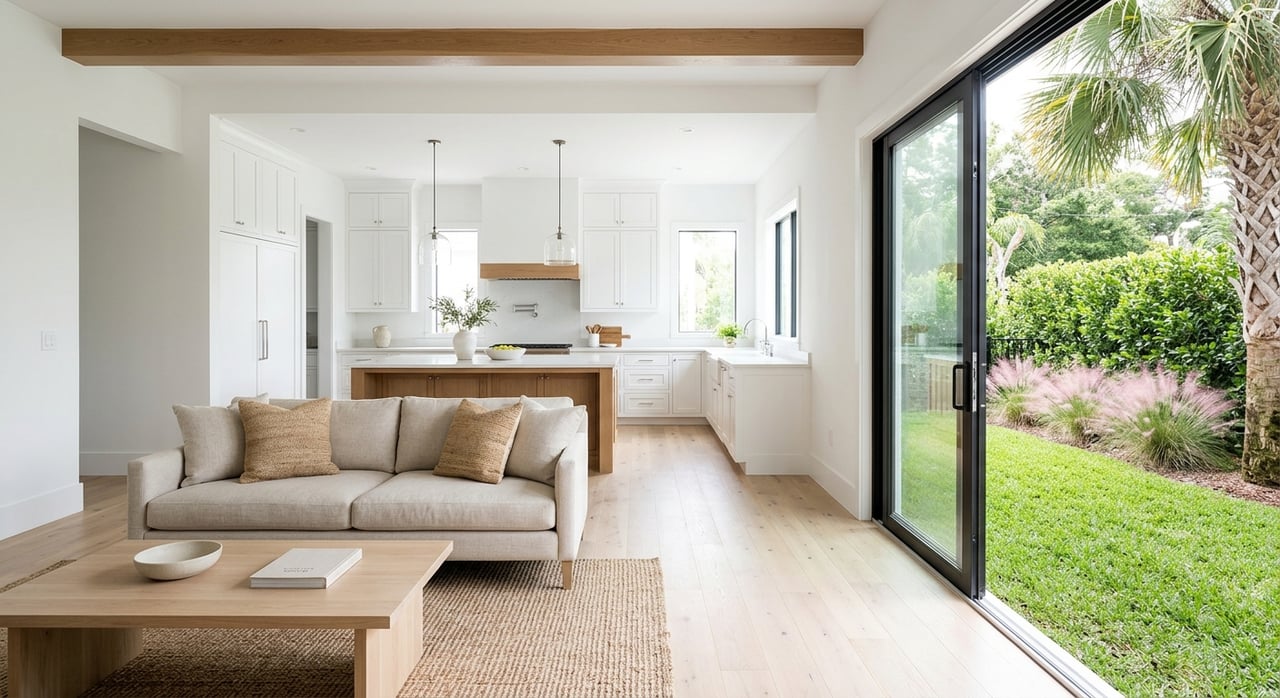
Wondering what day-to-day life in Pace, Florida, actually feels like? If you are weighing a move and want a place that feels practical, residential, and connected without being in the middle of a busier city, Pace deserves a closer look. From housing and commute patterns to errands, parks, and local convenience, here is what you can expect from everyday life in Pace. Let’s dive in.
Pace at a glance
Pace is an unincorporated community in Santa Rosa County with a small-town feel, located about 12 miles east of Pensacola and centered near U.S. 90 and State Road 197. County planning documents describe it as a bedroom community, which helps explain its overall rhythm. It is built around residential living, daily routines, and regional access.
The community had 24,684 residents in the 2020 Census. The age mix is broad, with 25.3% of residents under 18 and 19.3% age 65 or older. That range helps give Pace a balanced, everyday feel rather than a niche identity built around one stage of life.
Homes in Pace feel suburban
If you picture a mostly owner-occupied housing market with a suburban pattern, that is largely what the numbers show in Pace. Census QuickFacts reports an owner occupancy rate of 83.0%, which points to a community shaped more by long-term homeownership than by dense apartment living. That tends to translate into a more settled residential environment.
The same data shows a median owner-occupied home value of $293,800. Median monthly owner costs are $1,751 with a mortgage, while median gross rent is $1,282. Together, those figures suggest a market where many residents are rooted in owned homes, while rental options still play a role in the local mix.
For buyers, that can mean a housing search focused on neighborhoods with a practical, lived-in feel. For sellers, it can mean your home is being compared within a market where stability and owner occupancy are part of the local story. In a place like Pace, pricing and positioning benefit from clear local context, not guesswork.
Commutes are part of the routine
Pace is closely tied to the road network that shapes everyday movement across this part of Santa Rosa County. The community is centered around U.S. 90 and SR 197, and most daily travel is car-based and corridor-oriented. If you are moving from a more walkable or transit-focused area, that is an important adjustment to understand up front.
The mean travel time to work in Pace is 28.8 minutes, according to Census data. That gives you a useful benchmark for how commutes often fit into daily life here. Pace works well for many people who want a residential setting while staying connected to job centers and services in the larger Pensacola area.
Santa Rosa County also maintains a Pace Park & Ride lot at U.S. 90 and C197-A with 15 spaces. County planning documents also point to ongoing and future corridor work, including the Pace-Pea Ridge Connector, U.S. 90 widening, and a CR 197/Chumuckla Highway widening study that considers bike lanes and sidewalks. Those projects reflect how important transportation access is to the area’s long-term function.
Pace is convenient for errands
One of the most practical advantages of living in Pace is that many routine errands can be handled close to home. Census QuickFacts lists $655.4 million in total retail sales in 2022, which supports the idea that this is a place with meaningful day-to-day commercial activity. You are not relying on a long drive for every basic need.
Key stores in Pace include Publix Santa Rosa Commons at 4739 Highway 90, Walmart Neighborhood Market at 4239 Berryhill Road, and Target Pace at 4727 Highway 90. For many households, those stores cover a large share of weekly shopping. They also add convenience features like pharmacy access, curbside pickup, drive-up service, fuel, Starbucks, and delivery options.
That kind of setup matters more than many buyers realize at first. Everyday life runs smoother when groceries, household items, and basic services are nearby. In Pace, the local retail pattern supports a routine that feels efficient and manageable.
Dining is simple and familiar
Pace is not best described as a destination dining market. Instead, its dining pattern leans toward convenience and familiar national names that fit into busy schedules. That can be a plus if your priority is quick, reliable options close to home.
Official local locations include Chick-fil-A on Highway 90, two McDonald’s on Highway 90, Whataburger on Woodbine Road, and Domino’s on Woodbine and Watkins. The overall pattern suggests a community built more around practical meals and easy stops than around a nightlife or restaurant district. For many residents, that matches the pace of everyday suburban living.
Parks and recreation support daily life
Pace offers several public spaces that add flexibility to daily routines and weekends. Benny Russell Memorial Park includes playgrounds, a splash pad that operates seasonally from May 1 through September 30, a walking path, pavilions, and an event room. It is the kind of place that supports both casual outdoor time and organized gatherings.
Floridatown Park adds another layer of recreation with a pier, playground, picnic tables, and a concrete boat ramp on Escambia Bay. That gives residents water access without needing to live in a beach town. It is a meaningful part of the Pace lifestyle for people who enjoy being near the water in a more practical, residential setting.
Pace Area Recreation Park includes football fields and picnic areas. Along with the other parks, it helps round out the area’s local amenities with spaces for recreation, community events, and outdoor time close to home. These are not resort-style attractions, but they do support a steady and comfortable quality of life.
Community spaces add a residential feel
Daily life is not just about houses and roads. It is also shaped by the civic spaces people use regularly. In Pace, the Pace Library on Pace Patriot Boulevard and the Don Salter Community Center at the Santa Rosa Sports Plex help reinforce the area’s community-oriented, residential character.
These kinds of spaces matter because they provide places for routine activities, gatherings, and local connection. They also help distinguish Pace from areas that feel more purely commercial or more visitor-driven. The overall impression is a community designed around living there, not just passing through.
How Pace compares to busier areas
If you are comparing Pace with Pensacola or other more urban or beach-adjacent locations, the clearest difference is lifestyle. Pace is better understood as practical and residential rather than urban or resort-oriented. Its strengths are everyday convenience, owner-occupied housing patterns, and regional road access.
That does not mean it feels isolated. Because it sits within reach of Pensacola, many residents can still tap into a larger employment and entertainment hub while coming home to a more suburban setting. For some buyers, that tradeoff is exactly the appeal.
In simple terms, Pace works well if you want enough local shopping, dining, parks, and services to handle most daily needs without living in the middle of a busier city. It is a place where routine matters, convenience matters, and the housing market tends to reflect long-term residential use.
Why local market context matters
When you are choosing where to live, broad labels like suburban or convenient only help so much. What matters more is how those traits show up in real life through home values, commute times, daily errands, and the feel of the surrounding area. Pace stands out as a community where those pieces line up in a clear and practical way.
If you are buying in Pace, it helps to evaluate homes with a close eye on location, commute patterns, and how the property fits the area’s owner-occupied character. If you are selling, it helps to position your home within the realities of the local market rather than relying on generic pricing assumptions. A steady, evidence-based approach is often the best way to make confident decisions.
If you want guidance grounded in local knowledge and valuation insight, G. Jeffrey White can help you understand how Pace fits your goals and what to expect in this part of the market.
FAQs
What is everyday life like in Pace, FL?
- Everyday life in Pace is best described as suburban, car-oriented, and practical, with local shopping, parks, and community spaces that support daily routines.
What is the commute like from Pace, FL?
- Census data shows a mean travel time to work of 28.8 minutes, and most commuting in Pace is oriented around major roads like U.S. 90 and SR 197.
Are there enough stores and errands in Pace, FL?
- Yes. Pace has major everyday retail options including Publix, Walmart Neighborhood Market, and Target, along with convenience features like pharmacy services, pickup options, and delivery.
Does Pace, FL have parks and outdoor spaces?
- Yes. Local options include Benny Russell Memorial Park, Floridatown Park on Escambia Bay, and Pace Area Recreation Park, with amenities such as playgrounds, picnic areas, a splash pad, a pier, and a boat ramp.
Is Pace, FL more urban or suburban?
- Pace is better understood as a suburban, mostly owner-occupied bedroom community with regional access, rather than an urban or transit-centered area.
Is Pace, FL a good fit if you want convenience without a busier city setting?
- Pace may appeal to you if you want a residential setting with enough shopping, dining, and recreation for everyday needs while staying connected to the larger Pensacola area.